A Reciprocal Relationship
Caring for the harvest that sustains the people
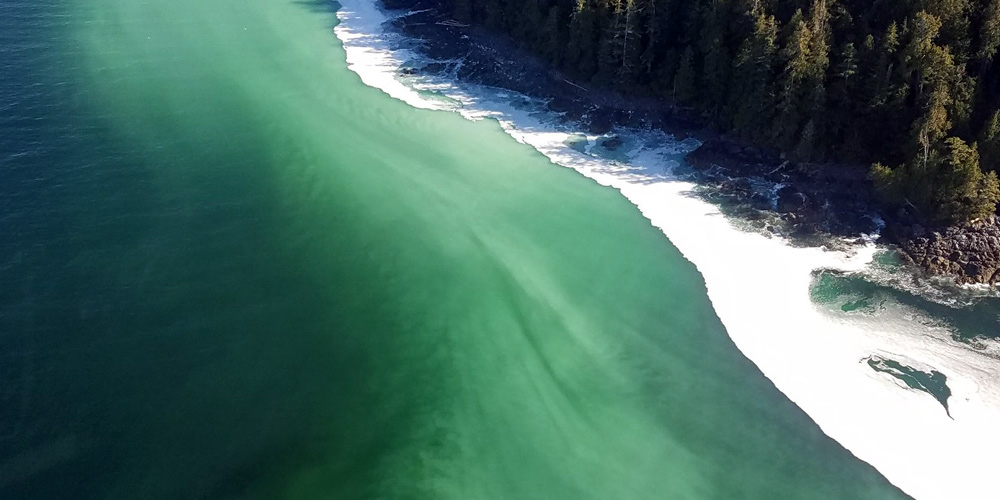
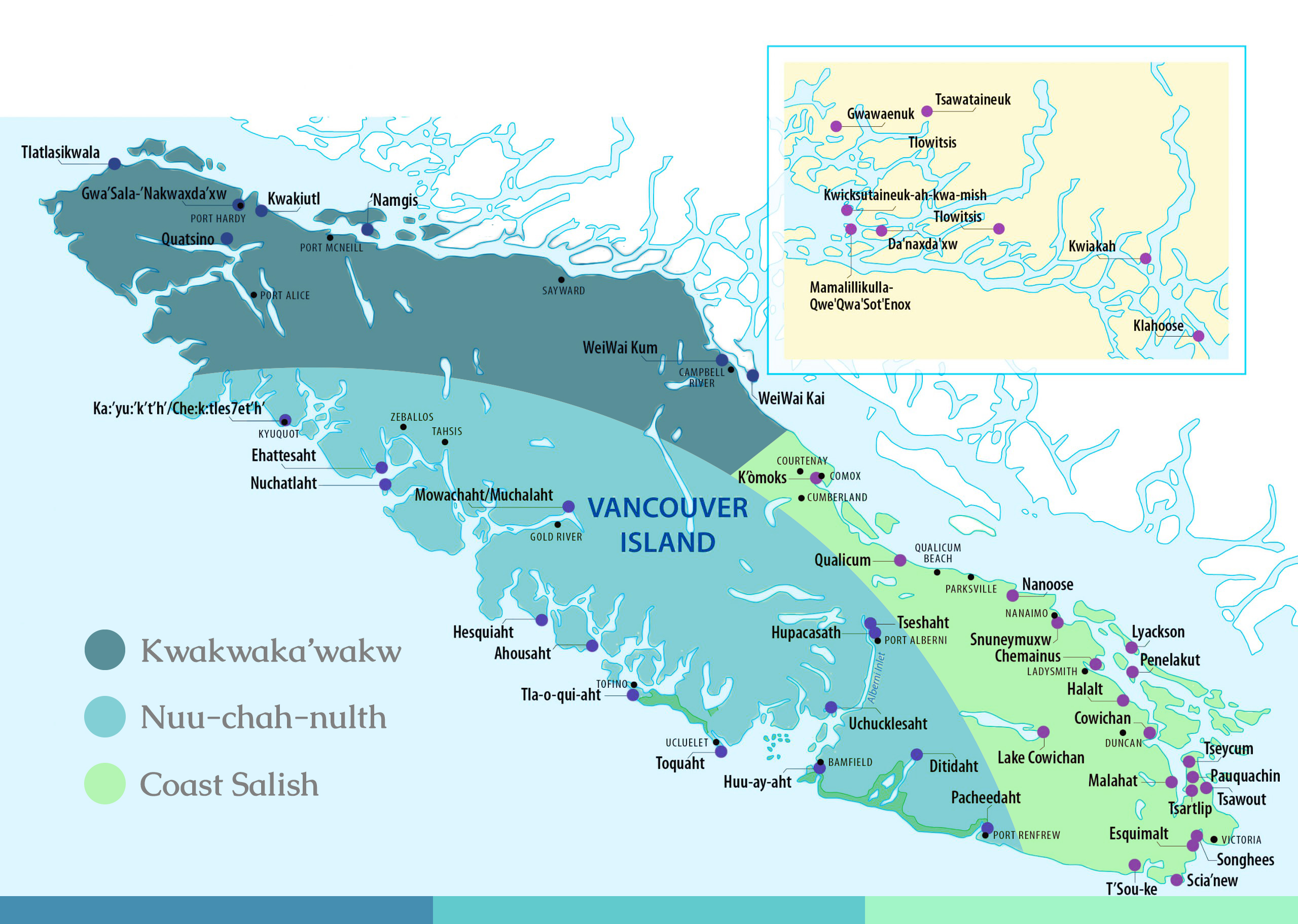
For the Nations along the coast of British Columbia, the ocean is much more than a source of food, it is a provider that defines cultural identity and community health. For thousands of years, coastal Nations have maintained a reciprocal relationship with the water – one where communities care for the harvest, and the harvest in turn sustains the people.
From the ancestral engineering of clam gardens to the seasonal cycles of the salmon, harvesting practices are grounded in deep, place-based knowledge. The gathering, preparation, and sharing of these foods are what bind generations together, keeping languages, traditions, and ways of knowing alive.
The Harvest
Foods that bind generations together
Four key areas of focus
WATCH Goals
What WATCH Support Could Look Like
WATCH is working with participating Nations to determine what monitoring and seafood-safety support would be most useful in their communities. Depending on community priorities and program capacity, this work may include:
Community-Based Monitoring
Training and Capacity Building
Information Sharing and Early Warning
Seafood Safety and Food Sovereignty
The Journey
Past, Present & Future
What WATCH Support Could Look Like
WATCH is working with participating Nations to determine what monitoring and seafood-safety support would be most useful in their communities. Depending on community priorities and program capacity, this work may include: