W.A.T.C.H.

WE ALL TAKE CARE OF THE HARVEST

Supporting First Nations in their work to protect seafood safety, security and sovereignty.

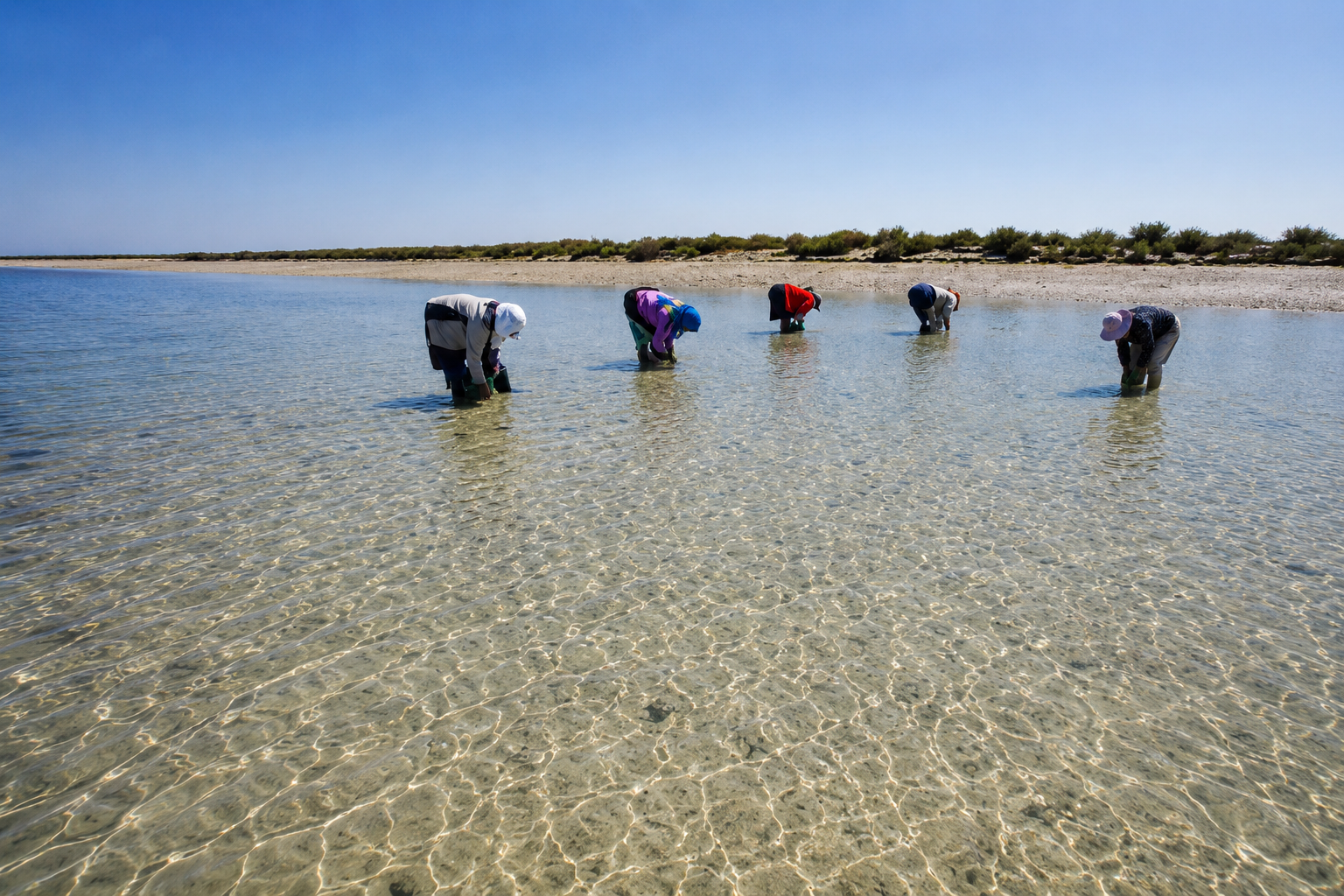
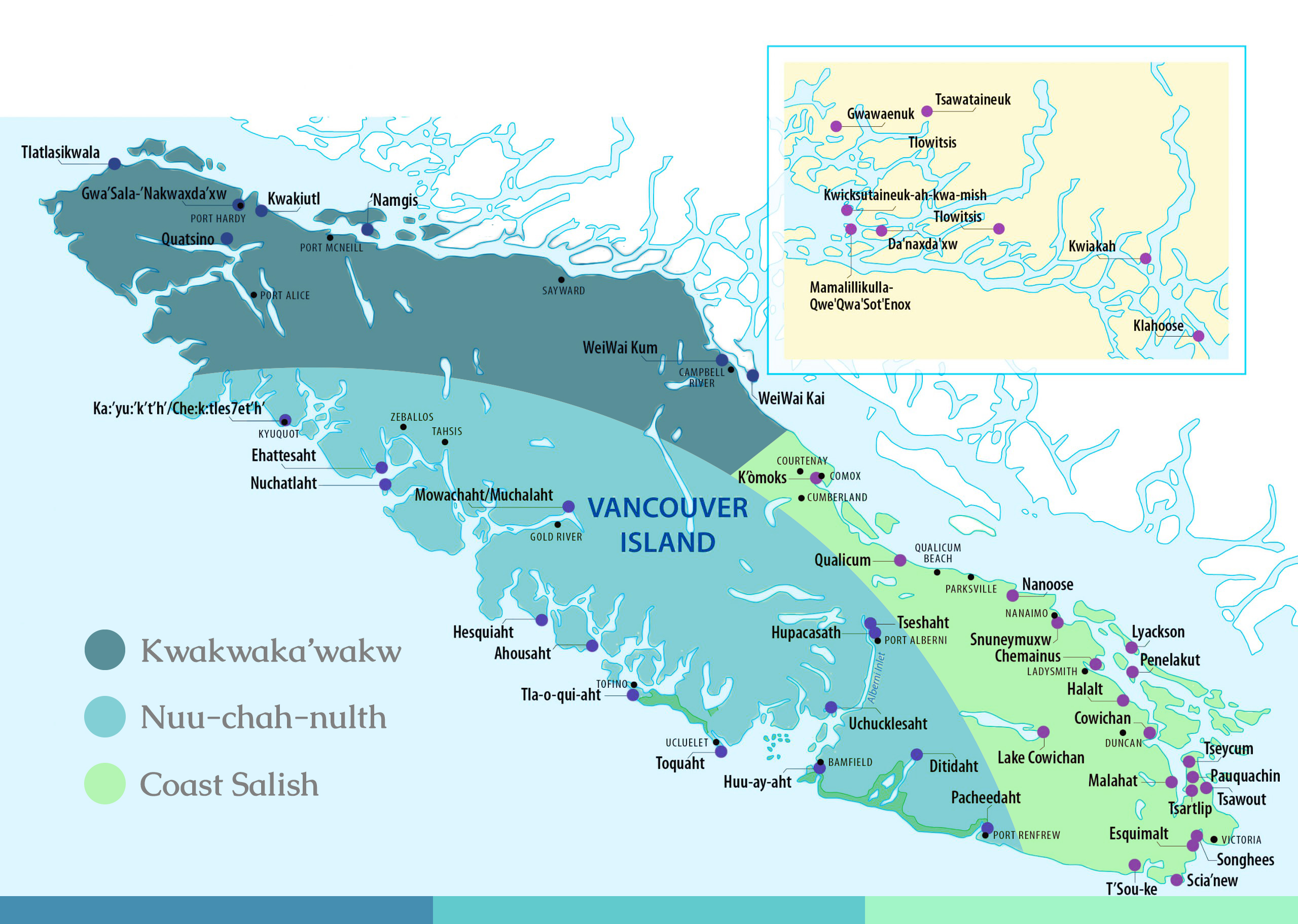
WATCH is a First Nations-focused marine monitoring program supporting communities in understanding harmful algae, marine biotoxins and changing ocean conditions — while building the knowledge, tools and capacity needed to monitor their own waters.

Why WATCH Exists

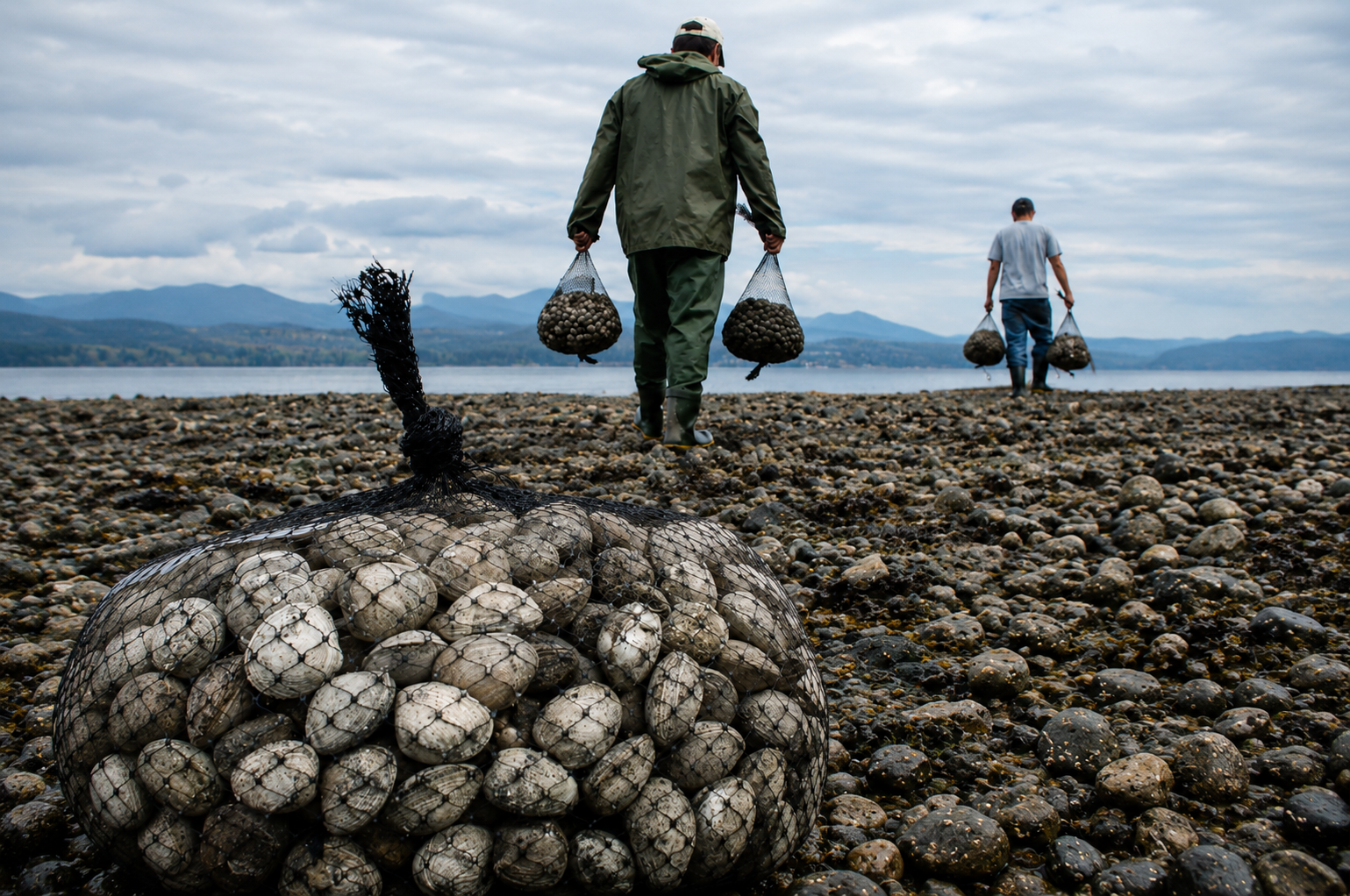
For coastal First Nations, seafood is more than food.

Safe and reliable access to marine foods is connected to health, culture, community, harvesting practices and the ability of Nations to make informed decisions about their own waters and resources.
WATCH focuses on three interconnected priorities
Safety

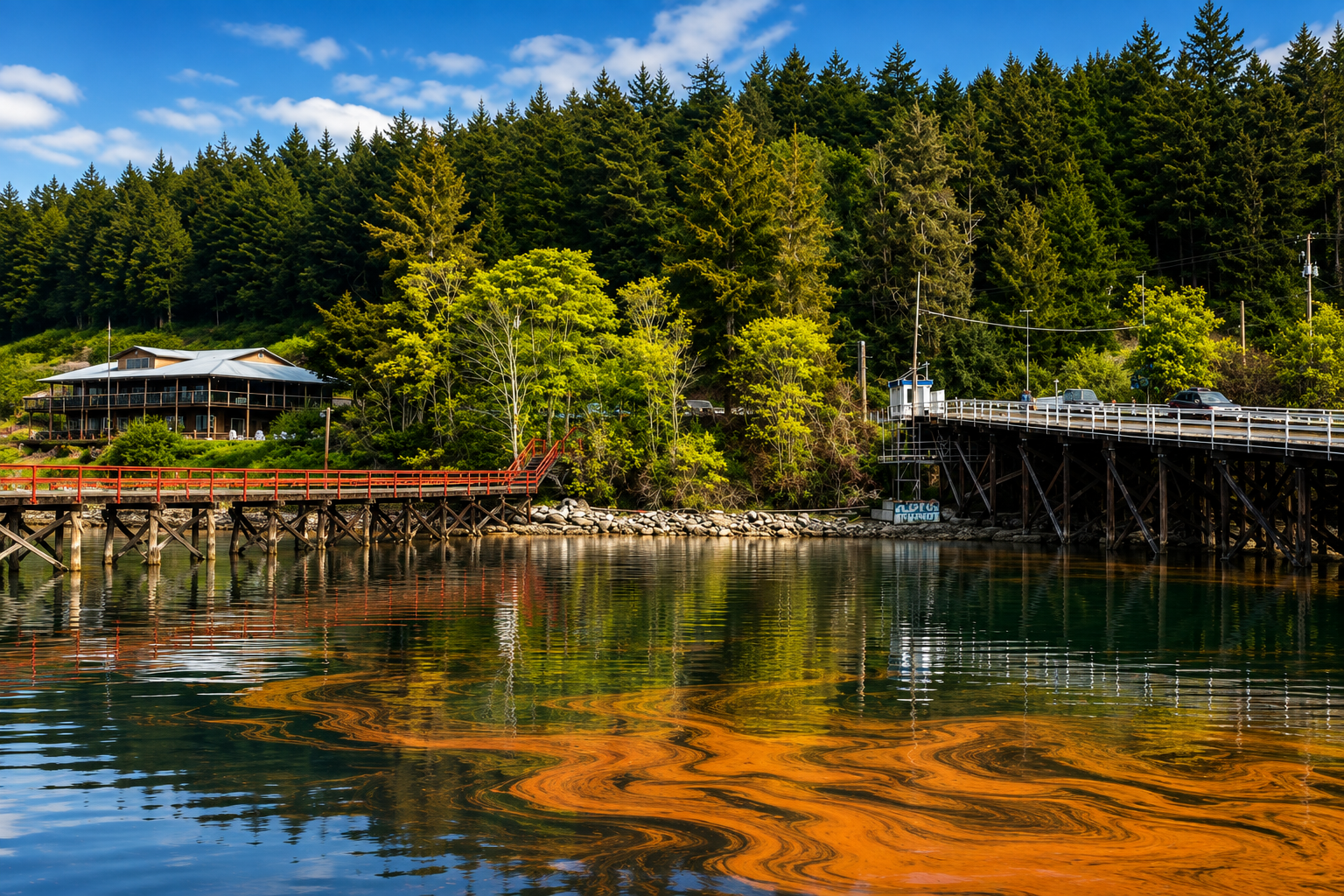
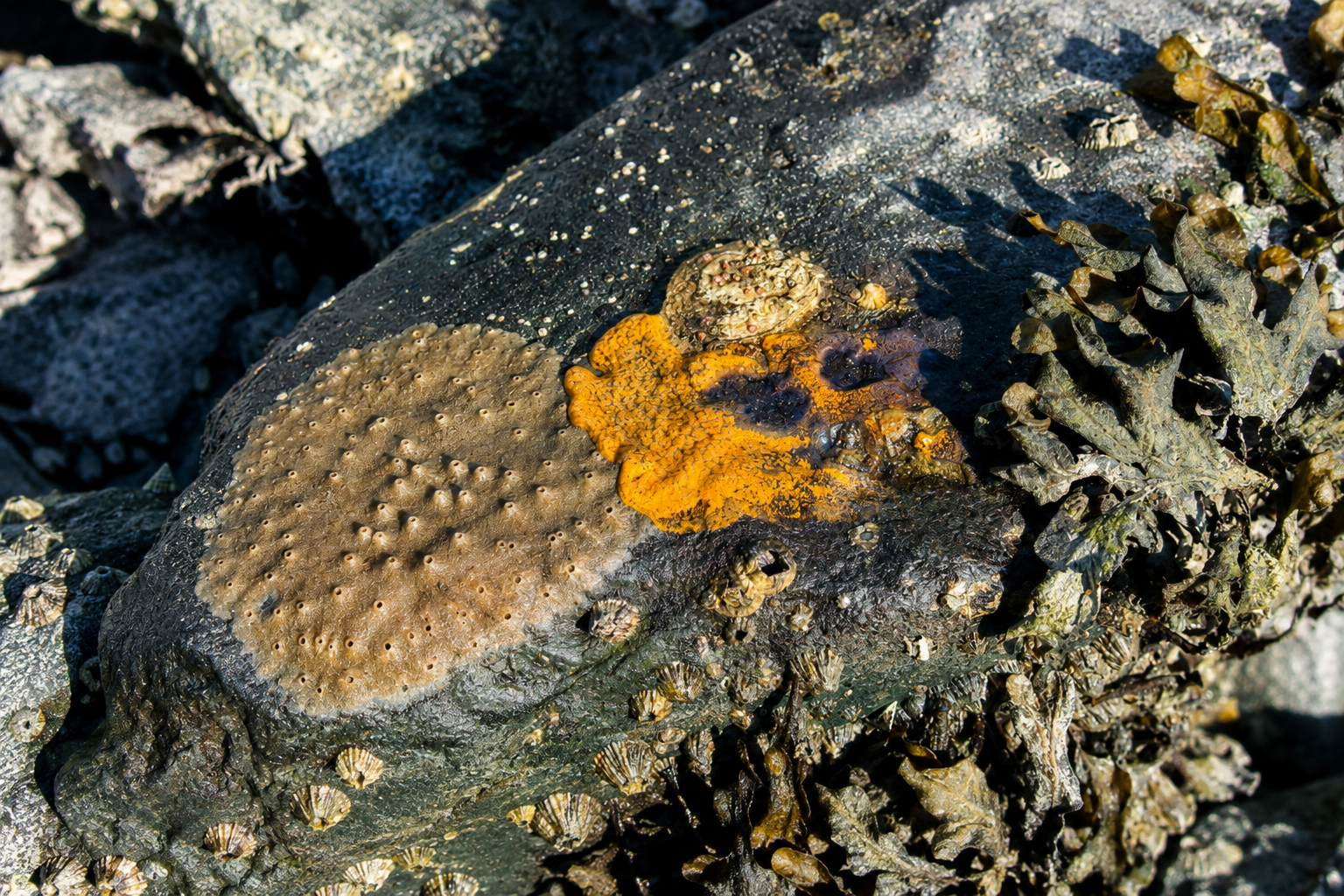
Support monitoring of harmful algae, marine biotoxins and marine conditions so communities have better information about the safety of harvested foods.

Security

Strengthen access to understandable, timely information that supports harvesting and community seafood needs.

Sovereignty

Build First Nations capacity to monitor their own waters and ensure Nations remain at the centre of decisions affecting their marine foods and harvesting areas.

What WATCH Does

WATCH is building a regional network that supports First Nations-led marine monitoring and knowledge sharing. Through WATCH, participating Nations can access support for:

  • Community-Based Monitoring
    Equipment, supplies, sampling protocols and technical guidance to establish or strengthen harmful algal bloom, phytoplankton and water-quality monitoring.

  • Training & Capacity Building
    Hands-on training in harmful algae identification, microscope use, field sampling, sample handling, water-quality monitoring and data interpretation.
  • Information Sharing & Early Warning
    Bringing monitoring information together to better understand changes in harmful algal blooms and strengthen seafood-safety communication.

  • Seafood Safety & Food Sovereignty
    Supporting community discussions about harvesting priorities, mapping important harvesting areas, and bringing community and ancestral knowledge together with scientific observations where Nations choose to do so.

  • Connections & Collaboration
    Connecting First Nations with one another and with technical specialists, researchers and regulatory partners to help address marine safety issues and emerging concerns.

Building WATCH 2.0

WATCH is Growing

IMAWG is working with First Nations to shape the next generation of the program based on community priorities, monitoring needs and Nation direction.

Current work includes strengthening community monitoring, expanding training opportunities, supporting funding applications, building regional connections, developing seafood-safety resources and creating opportunities for Nations to gather and share knowledge.
WATCH Website Coming Soon!

And this is just the beginning. A full website is coming soon.

Our new website will provide expanded information and resources on:

  • Harmful Algal Blooms & Monitoring
  • Seafood Safety

  • Training

  • Resources

  • WATCH News & Updates

  • Opportunities for Nations to Participate

Contact WATCH

Until the WATCH website is up and running, connect with the WATCH team to learn more about the program, discuss your Nation’s monitoring priorities, or explore opportunities to participate.

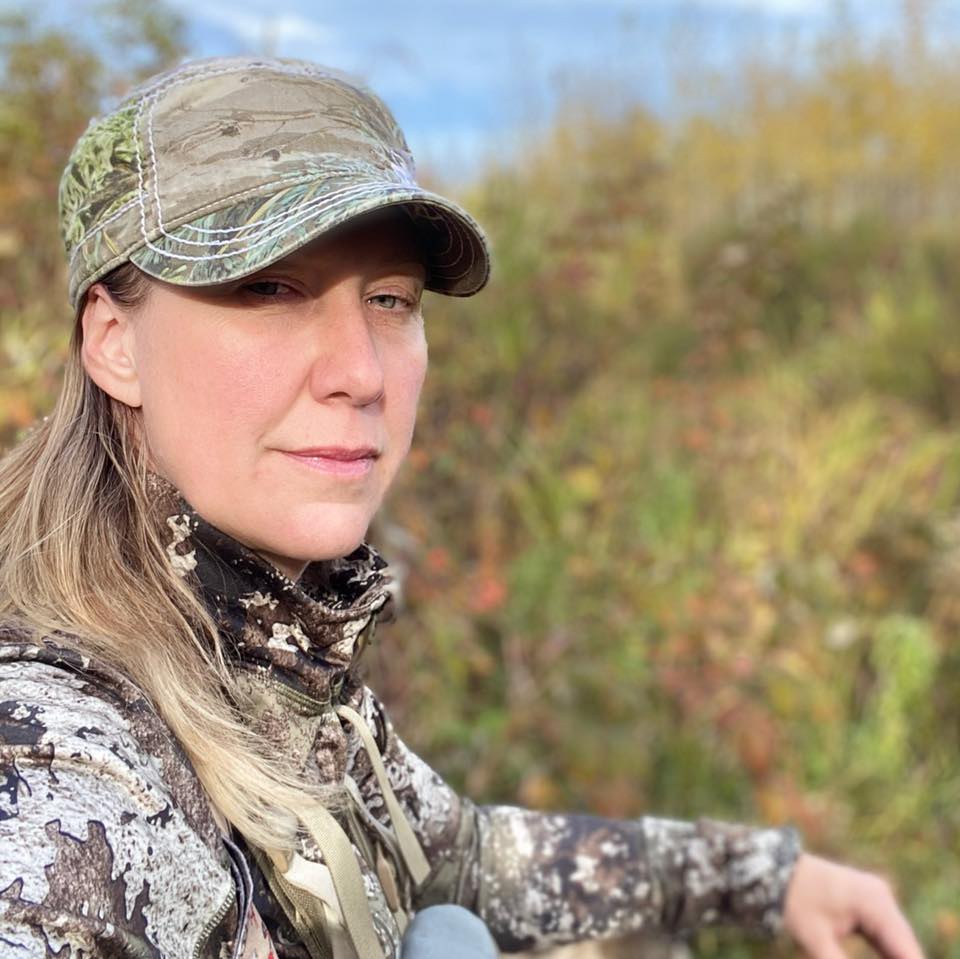
Jessica Moffatt

WATCH Coordinator

Jessica leads program coordination, engagement, and communication across First Nations communities and partner organizations. Her work focuses on building relationships, supporting knowledge exchange.

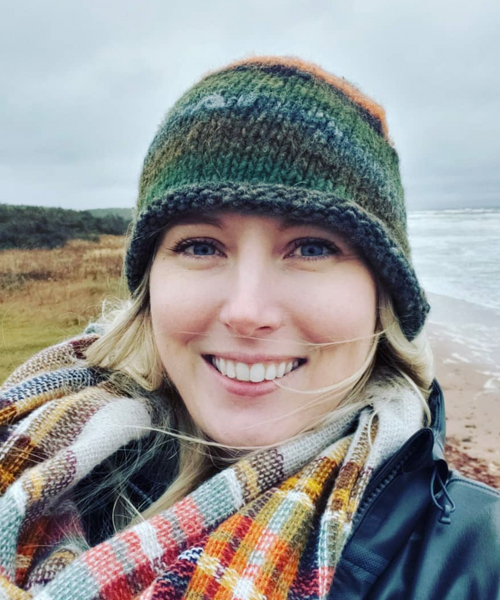
Svetlana Esenkulova

Phytoplankton Specialist

Over 15 years of experience in harmful algal research, taxonomy, and ecological data analysis. A key point of contact for questions related to harmful algae and marine science within the WATCH program.