
MANAGEMENT TOOLS
MANAGEMENT PLANNING documents, templates and forms are free to download and use as needed.
DOWNLOAD OUR TOOLS
Loading...
MANAGEMENT PLANNING documents, templates and forms are free to download and use as needed.

Our Purpose
“To strengthen and empower a unified approach for First Nation fisheries, supporting ecosystems and respected rights ensuring food security and health for all communities and the next seven generations.”
© Copyright 2012 – | Island Marine Aquatic Working Group | Site by DOC MEDIA | ALL RIGHTS RESERVED
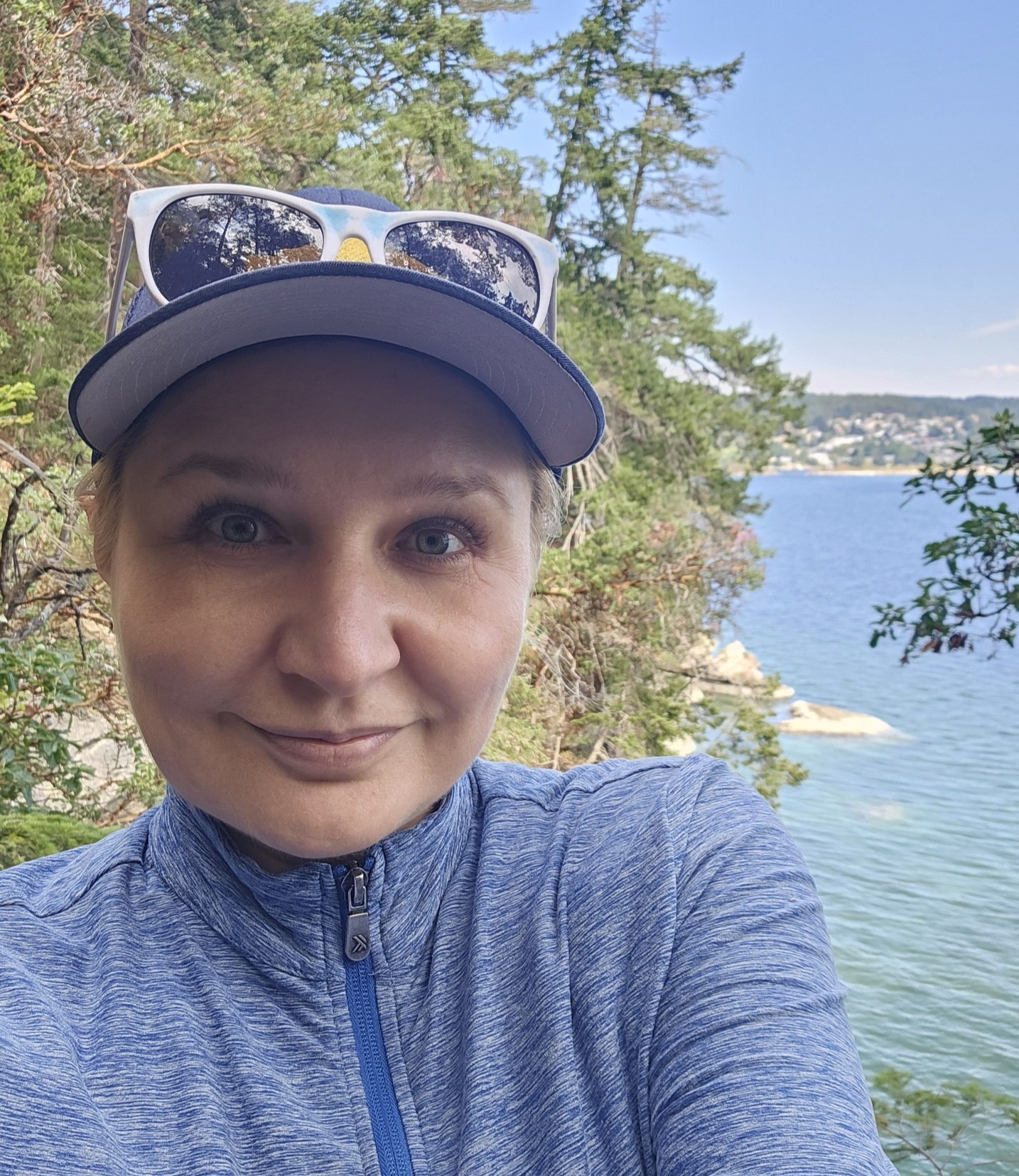
Svetlana Esenkulova has over 15 years of experience in harmful algal research, taxonomy, ecological data analysis, and collaboration across scientific, government, and community partners. She is an appointed member of the Ecology of Harmful Algal Blooms in the North Pacific at PICES (North Pacific Marine Science Organization, is an intergovernmental scientific organization) representing Canada. She holds an MSc in Biological Oceanography and a UNESCO certification in the identification and quantification of harmful algae, complemented by practical training in marine safety, lab biosecurity as well as OCAP® training to support the respectful and responsible use of First Nations data.
Her expertise spans phytoplankton identification, bloom dynamics, and the integration of long-term biological and oceanographic datasets to understand links between plankton, shellfish and finfish, and ecosystem health. She has been involved with WATCH since its inception, first serving on the advisory board before transitioning into a specialist role, where she contributes to the development of science-based resources that support both research and communities. Svetlana is a key point of contact for questions related to harmful algae and marine science within the WATCH program.
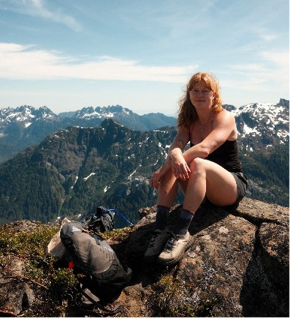
Jessica Moffatt leads program coordination, engagement, and communication across First Nations communities and partner organizations. With strong experience working within IMAWG and alongside Indigenous fisheries initiatives, she brings a deep understanding of community priorities, governance, and the importance of seafood safety, security, and sovereignty.
Her work focuses on building relationships, supporting knowledge exchange, and ensuring that WATCH remains Nation needs driven and responsive to evolving needs.
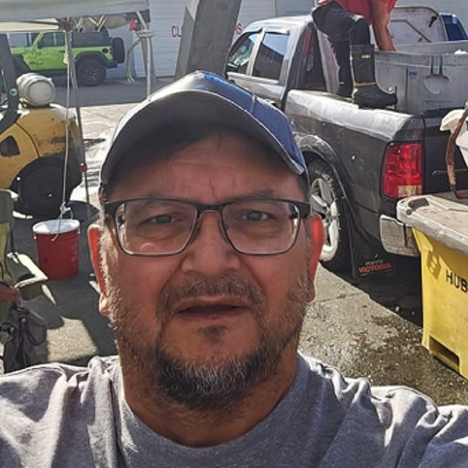
Brian Tate is a member of the Ditidaht First Nation with more than 25 years of experience in First Nation fisheries management, stewardship, and community leadership. Throughout his career, he has dedicated himself to protecting fisheries resources while supporting First Nations’ rights, knowledge, and participation in sustainable resource management. Brian began his fisheries career as a Fisheries Guardian with Ditidaht First Nation before serving as the Harvest Monitor Program Coordinator for the Nuu-chah-nulth Tribal Council, where he worked closely with Nuu-chah-nulth Nations to strengthen harvest monitoring programs and improve fisheries information used to support food, social, ceremonial, and governance priorities.
His work has emphasized the importance of accurate fisheries data, collaboration, and ensuring First Nation voices are reflected in fisheries management decisions. In addition to his fisheries work, Brian has served as an elected member of Ditidaht Council and worked as a reporter for the Ha-Shilth-Sa newspaper, helping to share stories and issues important to Nuu-chah-nulth communities. His diverse background has provided him with a broad understanding of governance, communications, and community engagement.
As an IMAWG Director, Brian brings decades of practical experience, a strong commitment to collaborative fisheries management, and a deep respect for traditional knowledge alongside modern science. He is passionate about protecting salmon and other marine resources while ensuring future generations can continue to exercise their rights, traditions, and connection to the lands and waters.
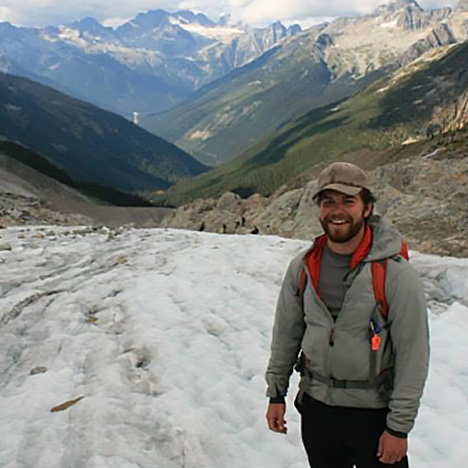
Andrew Sheriff is the Fisheries Program Lead for Malahat Nation, on Southeast Vancouver Island. In his role, he works to advance First Nation fisheries management, stewardship, sovereignty and community participation in the sustainable use of aquatic resources. He collaborates closely with First Nations, government agencies, and regional partners to support fisheries planning, conservation initiatives, and opportunities that strengthen First Nation involvement in fisheries governance.
Andrew brings practical experience in fisheries management, relationship-building, and resource management, with a strong commitment to protecting aquatic ecosystems while supporting the cultural, social, and economic interests of First Nation communities. Through his work with Malahat Nation and his involvement with IMAWG, he advocates for collaborative approaches that uphold First Nation knowledge, stewardship values, and meaningful participation in decision-making processes affecting fisheries and aquatic resources.
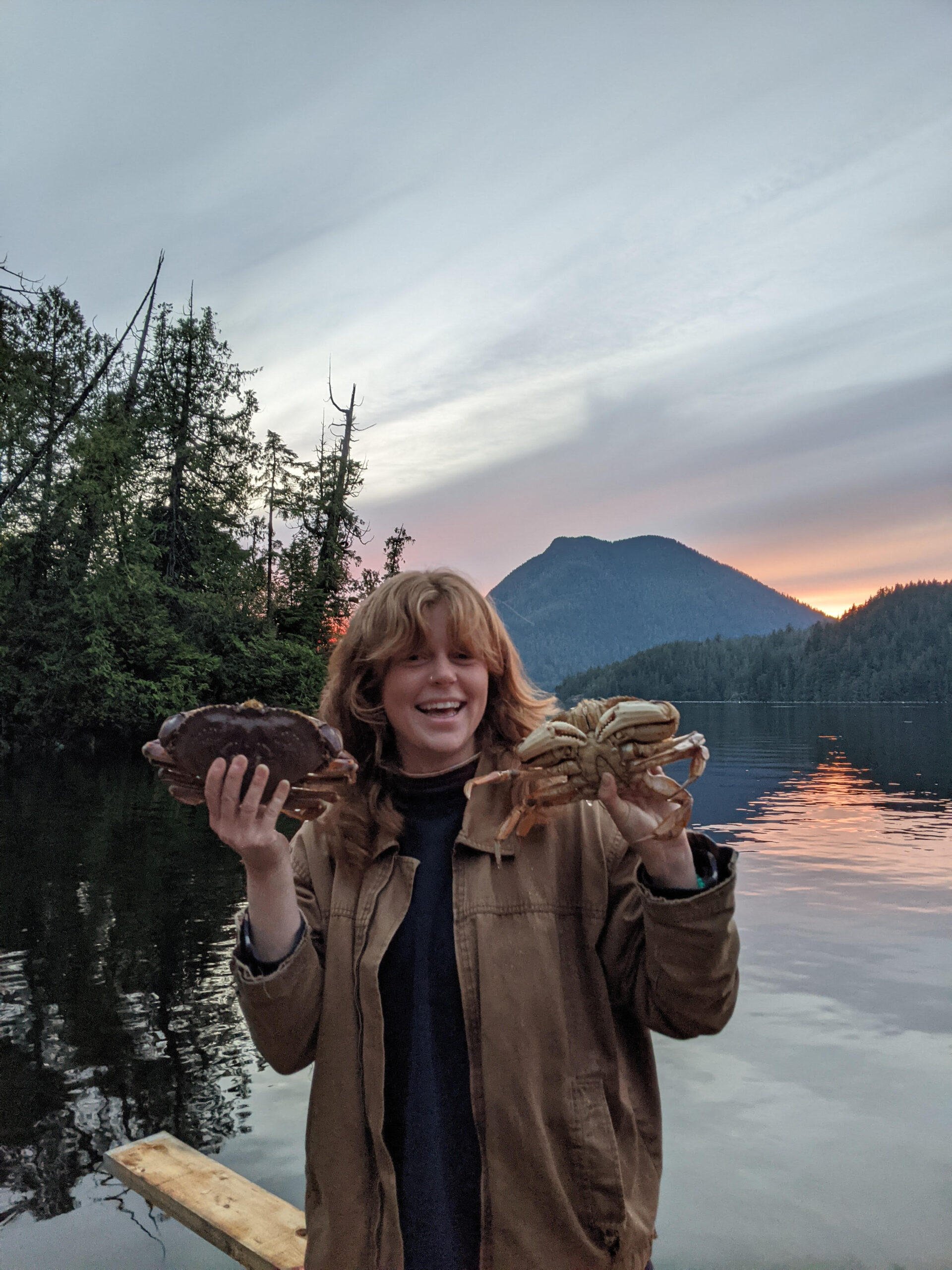
Jessica grew up in a small rural town in Ontario and spent her early summers canoeing and fishing on the Great Lakes. This time on lakes and rivers sparked her passion for the environment and her appreciation for wild spaces. She moved west to study Freshwater Sciences at the University of British Columbia and moved again to Vancouver Island quickly after graduation.
For the last two years, she has been living on the traditional territory of the Yuułuʔiłʔatḥ First Nation while working in commercial fisheries monitoring and on salmon spawner counts. In her spare time, she loves reading, being outdoors, surfing, and spending time out with her family and friends. Jessica is excited to work with Coastal First Nations in promoting their constitutional right to resources and the conservation of fisheries for the next seven generations to come.
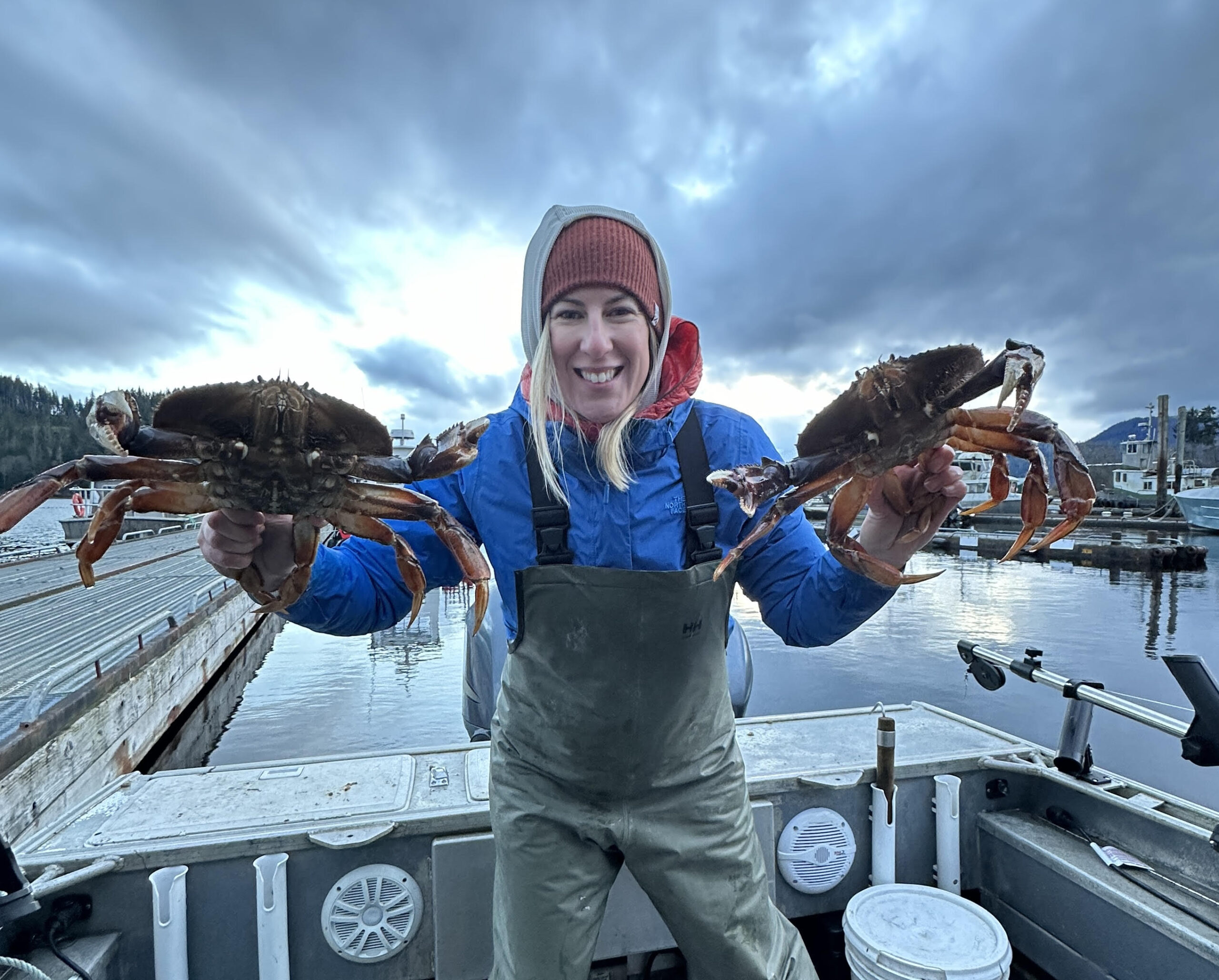
Nicole Frederickson is a non-First Nation settler who was born and raised on Vancouver Island and has always had a strong love of nature and the natural world. She earned a diploma in resource management from Vancouver Island University in 2010. Following that, she worked as a field biologist in the environmental consulting industry, before returning to complete her Bachelor of Science degree in Natural Resource Protection from Vancouver Island University in 2015.
Nicole has had the honour and privilege of working as a biologist for IMAWG since 2016. Nicole enjoys hiking, camping, paddleboarding and connecting with nature. Nicole’s hope for the future is that our ecosystem will be resilient in the face of climate change, and that one day soon, fish and our oceans will flourish the way they did prior to colonization.
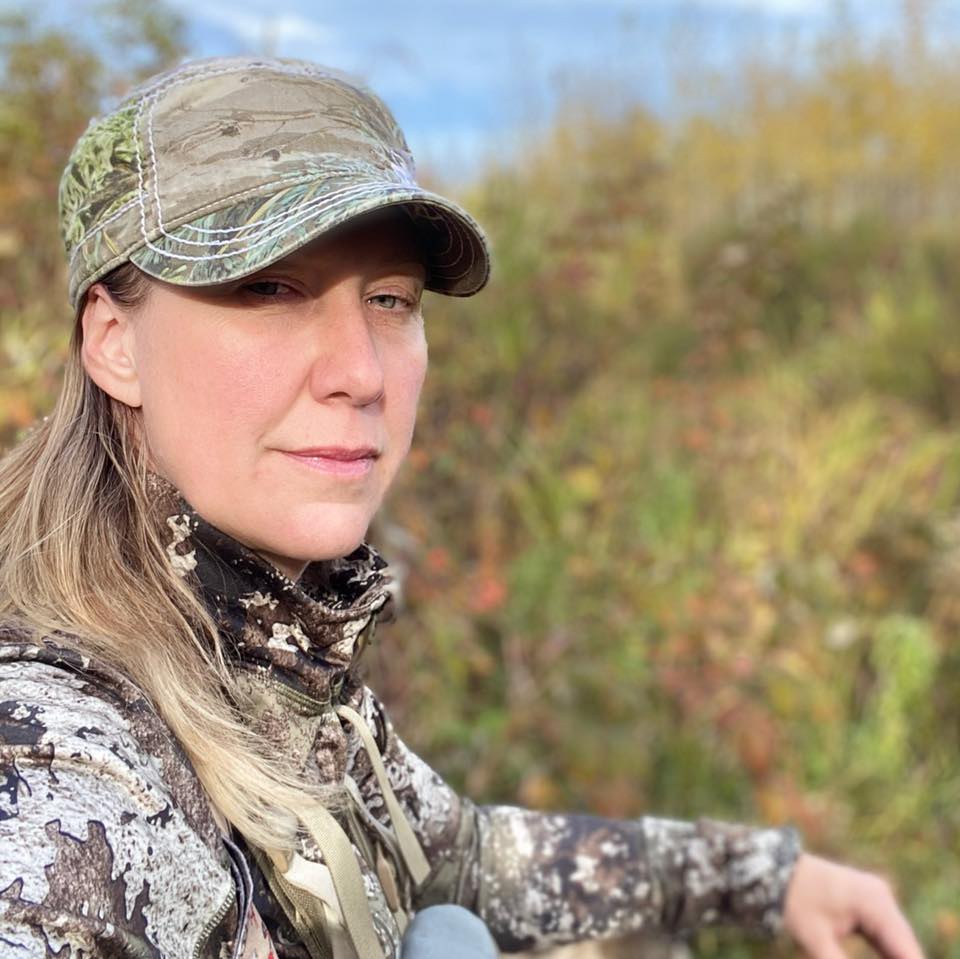
Long term settler on Turtle Island, Sonora has been working with First Nation people for 27 years in the field of resource management, and with IMAWG since 2011 when it was a sub- committee with the Fraser River Aboriginal Fisheries Strategy. Raised on Vancouver Island in the territories of the Tla-o-qui-at; her love of the environment was imprinted during a childhood filled with oceanic creatures and First Nation culture.
As an independent contractor, Sonora partners with First Nation organizations specializing in bringing First Nation people together with governments and others to help preserve and sustain resources for the next seven generations. Sonora’s work passion is in meeting engagement, conflict resolution, mediation and facilitation and has been a student of First Nation teachings from the years of learning through the elders and knowledge holders she works with. Her life’s purpose is to use her skills to build effective bridges to increase awareness, understanding and collaboration.
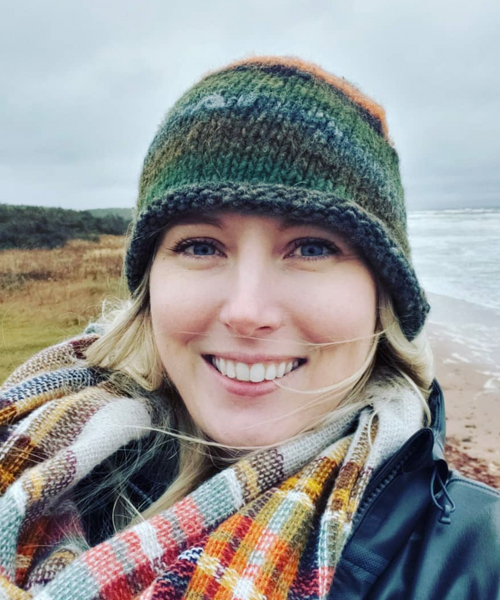
Jordan Bromley serves as the Executive Director of the Q’ul-lhanumutsun Aquatic Resources Society, a role through which she has dedicated the past 12 years to serving the communities of Stz’uminus First Nation, Penelakut Tribe, Halalt First Nation, Lyackson First Nation, Cowichan Tribes, and Ts’uubaa-asatx Nation. With 21 years of experience in fisheries and natural resources management, Jordan brings extensive expertise to IMAWG, with 19 of those years specifically focused on collaborating with First Nation communities on capacity development, stock assessment, and natural resource protection. Since its establishment as a Society in 2014, Jordan has been an active member of IMAWG’s Board of Directors.
Believing in the transformative potential of IMAWG’s initiatives in science capacity development, education, and relationship building, Jordan envisions a future where First Nation communities are empowered to shape resilient and healthy fisheries and aquatic resources across Canada. She emphasizes the importance of aligning such efforts with the constitutional rights of First Nation Peoples and the government of Canada’s commitments to implementing the United Nations Declaration on the Rights of Indigenous Peoples (UNDRIP) and the United Nations Declaration Act’s (UNDA) Action Plan. Jordan advocates for a commitment to truth, transparency, and respect in all endeavours, recognizing that leaving the fisheries landscape in a better state than it was found requires unwavering dedication. Through her leadership at IMAWG, Jordan strives to ensure that these principles are deeply ingrained in the organization’s work.
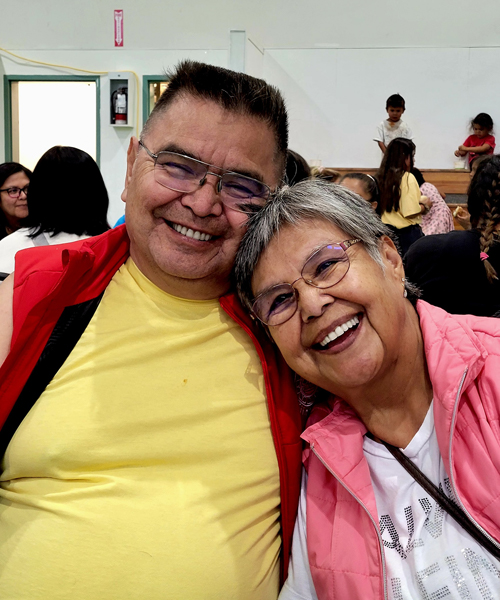
Harold is from the Ehattesaht community. His contribution to IMAWG stems from a diverse range of experiences within fisheries and traditional knowledge. These include involvement as a commercial fisherman, expertise in stream and river restoration, clam farming, as well as roles as a guardian, technician, and fin fish farmer.
His association with IMAWG spans back to its inception, originating from the FRAFS IFAWG, where he served as one of the original founders. Presently, he represents the Nuu-chah-nulth community, appointed by both the Council and the IMAWG Board of Directors.
Looking ahead, Harold’s aspirations for the future of fisheries revolve around integrating social economics and health considerations, aiming to reconnect with traditional diets.
Lastly, he is deeply grateful for his journey of sobriety, enabling him to contribute meaningfully to the organization’s endeavors alongside a dedicated team, striving to navigate them toward their envisioned destination.